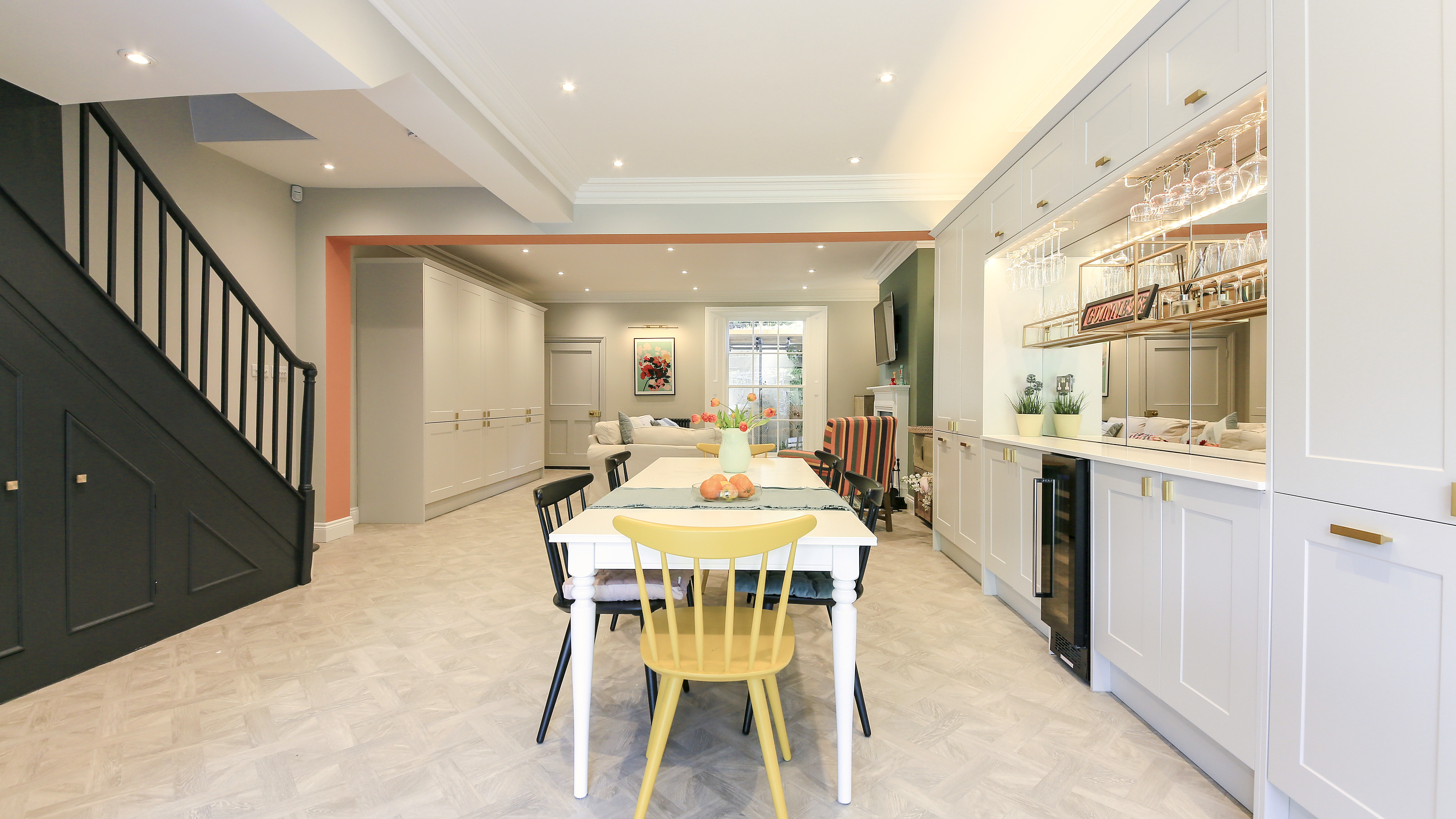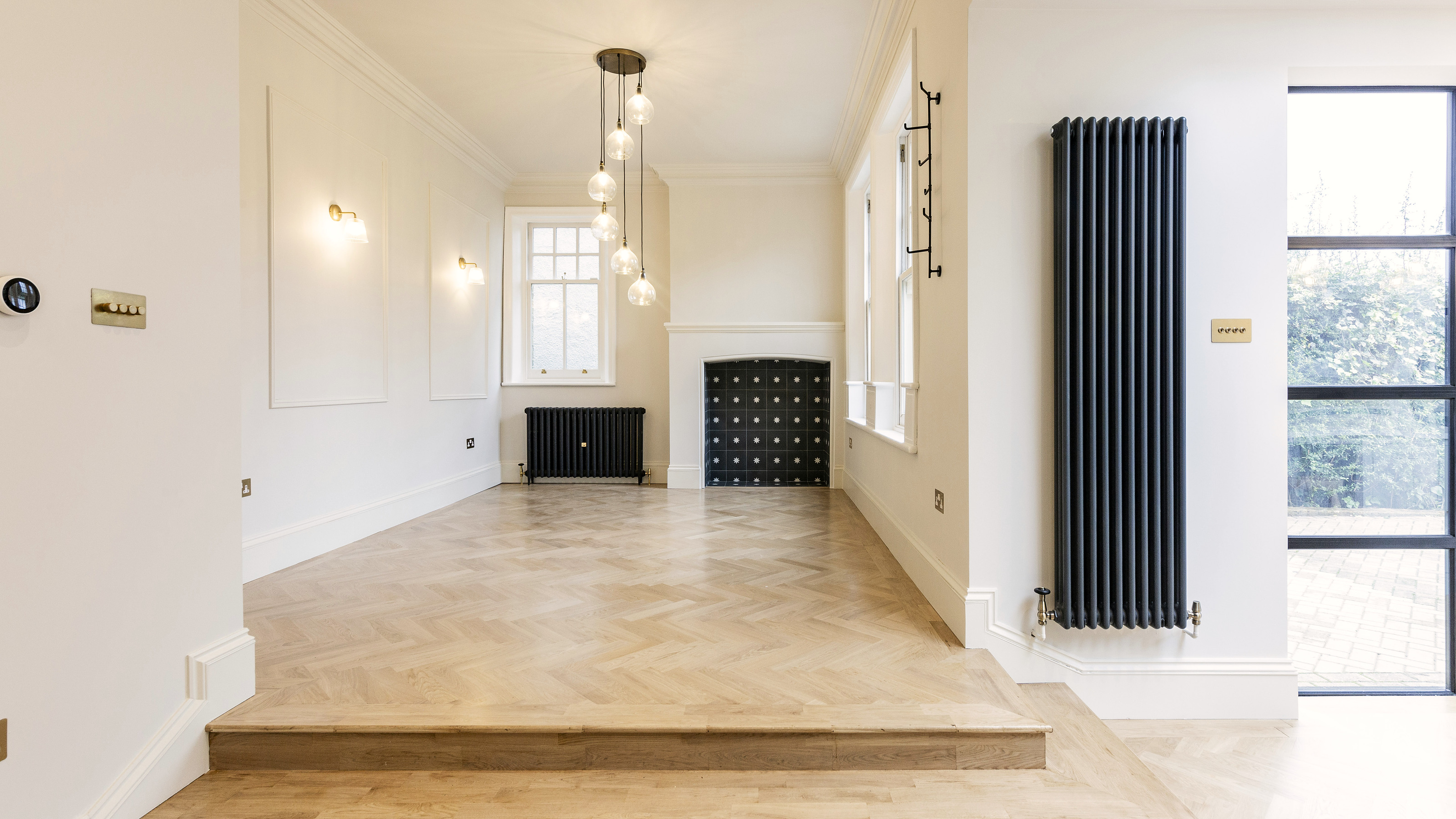
Panelled living room with a period fireplace and oak steps down to a kitchen extension

Our Services

House refurbishments in Blackheath and South East London

Whole house refurbishments taken from strip out to final decoration, coordinating every trade under one point of contact.

What We Do

Whole house refurbishments

A full refurbishment touches every part of a house, from the structure and services to the joinery and the last coat of paint. We take the whole job on and coordinate every trade, so you deal with one point of contact rather than a dozen separate firms.

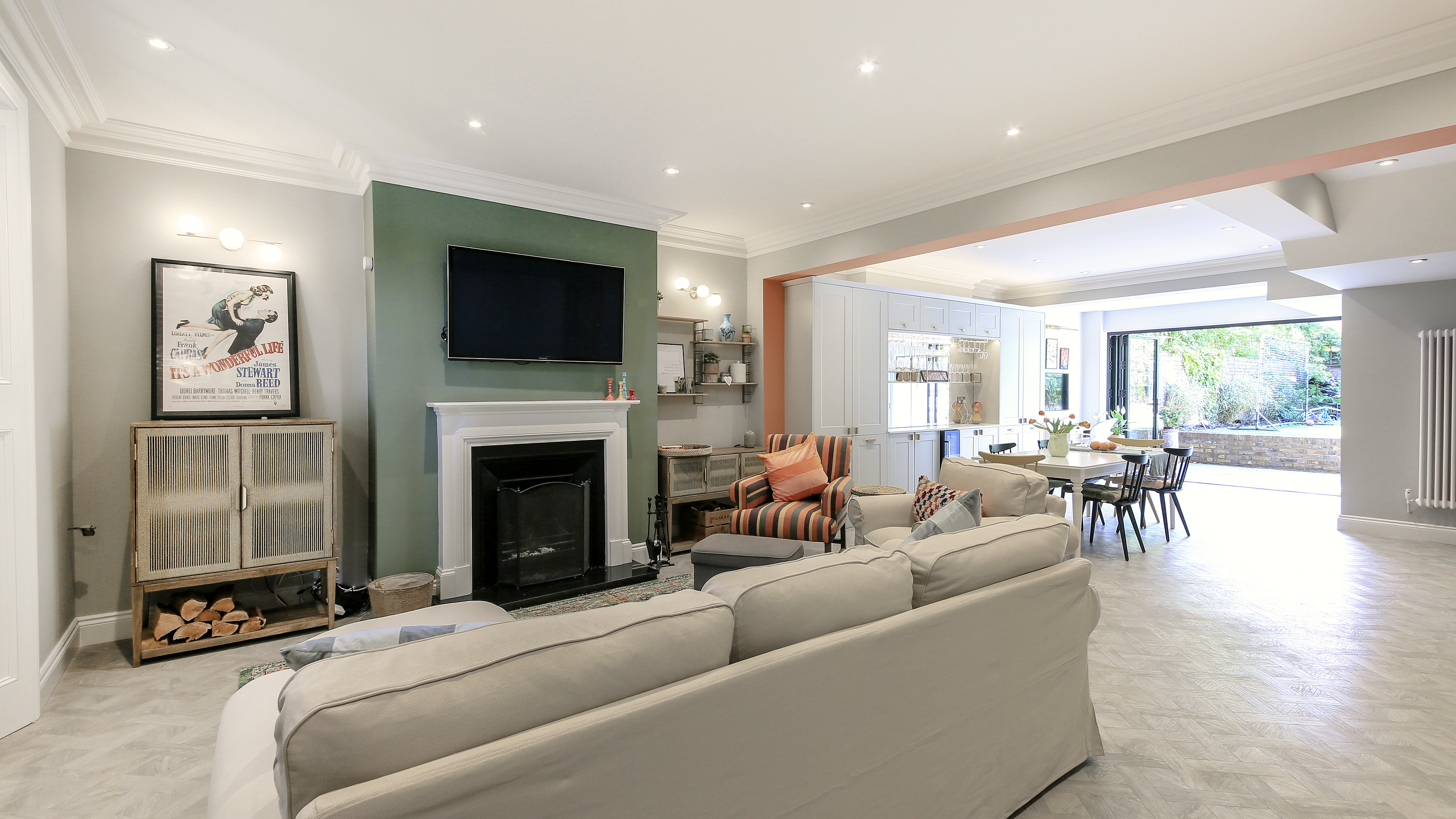
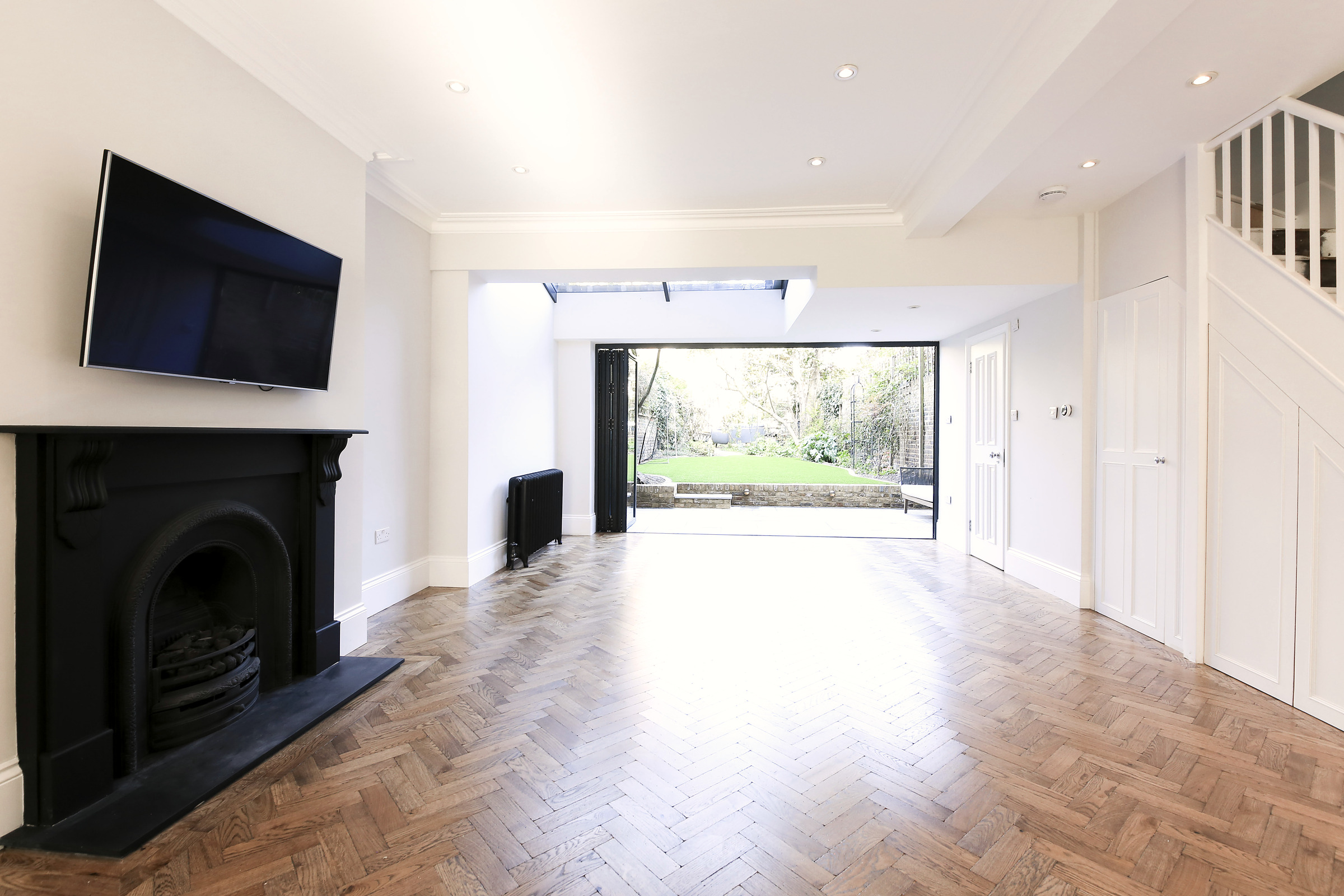
Much of our work is in the Victorian, Edwardian and Georgian houses of Blackheath, Greenwich, Lee and Brockley, which reward a careful hand. As a family run Blackheath building firm, we know how to keep the cornicing, fireplaces, sash windows and floors these houses are known for, while bringing the wiring, heating and insulation up to modern standards.

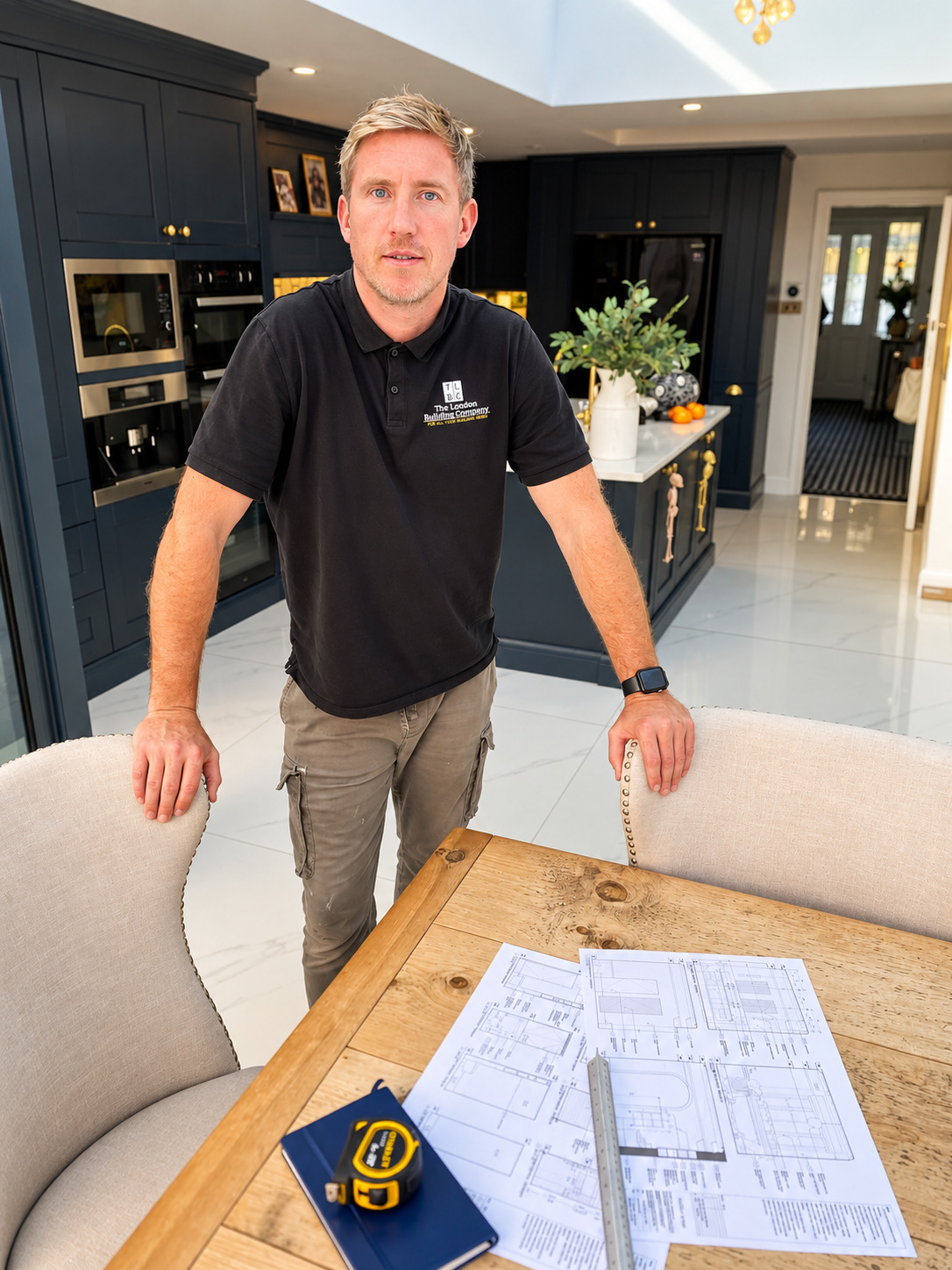
Freddie oversees the work from start to finish, keeping a close eye on quality and detail. Electrical and gas work is carried out by suitably qualified professionals, and the relevant certificates are handed over on completion.
What we handle

  • Strip out and structural alterations
  • Rewiring, plumbing and heating
  • Plastering, joinery and fitted storage
  • Kitchens and bathrooms
  • Flooring and final decoration
  • Electrical and gas certificates on completion

Our Work

Refurbishments we have completed

Inside a Refurbishment

What a full refurbishment covers

Every house is different, but most full refurbishments come down to the same four parts. Freddie will walk round the house with you at the site visit and set out what yours needs.

01

Wiring, plumbing and heating

In an older house, the hidden work matters most. Rewiring, new pipework and a new heating system go in while the floors are up and the walls are open, so they never need disturbing again. It is also the right time to add underfloor heating, better water pressure and sockets where you actually need them.

02

Restoring period features

Cornicing, ceiling roses, fireplaces, panelled doors, sash windows and original floorboards are what make a period house worth living in. Where they can be saved, we protect and repair them. Where they are missing or beyond repair, we have them matched or remade, so the new work sits naturally alongside the old.

03

Reworking the layout

Many period houses were built for a different way of living, with small rooms and the kitchen tucked away at the back. Opening up a through room, moving the kitchen or adding a bathroom usually means taking out structural walls, which we support with new steels designed by a structural engineer and signed off by Building Control.

04

Kitchens, bathrooms and joinery

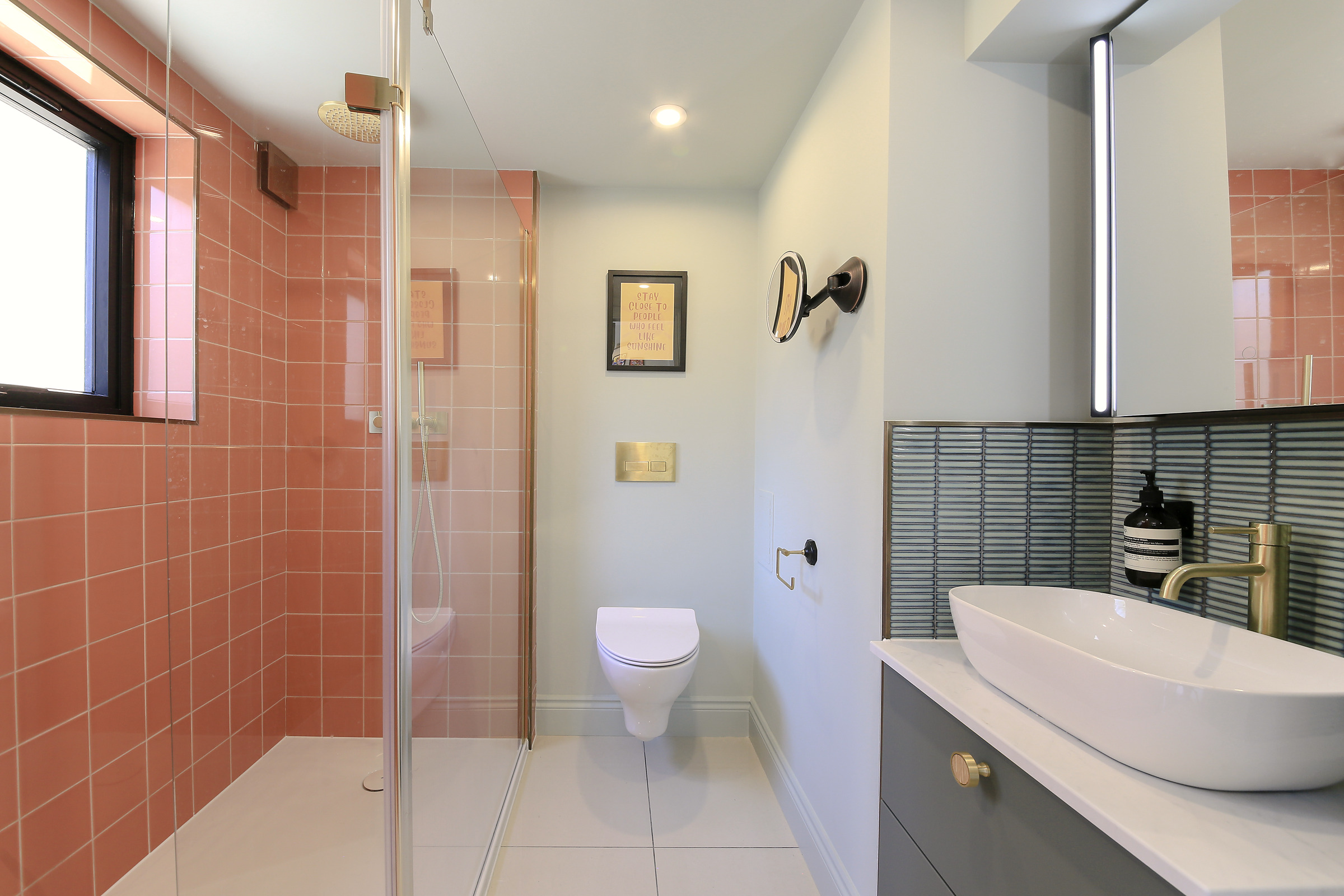
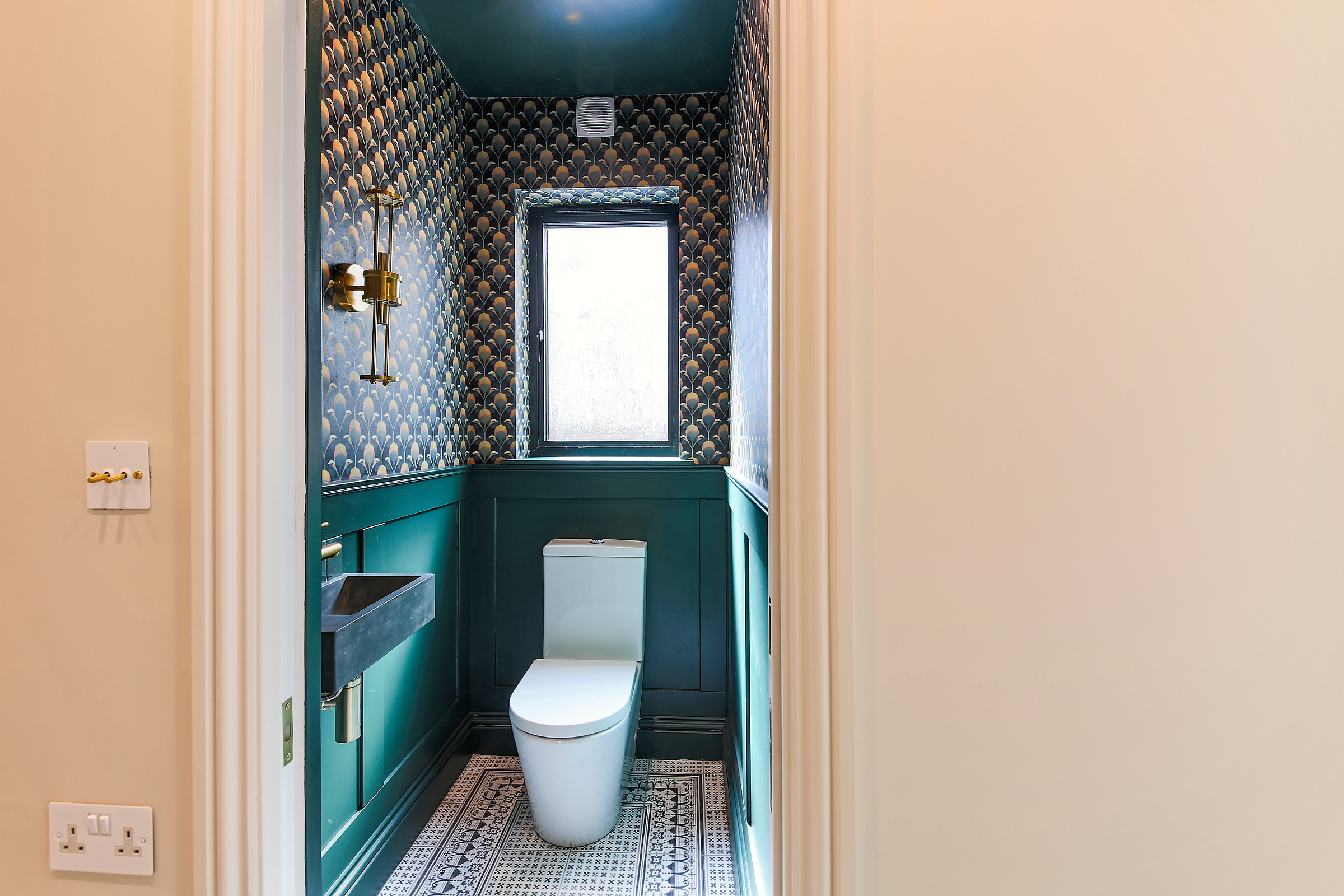
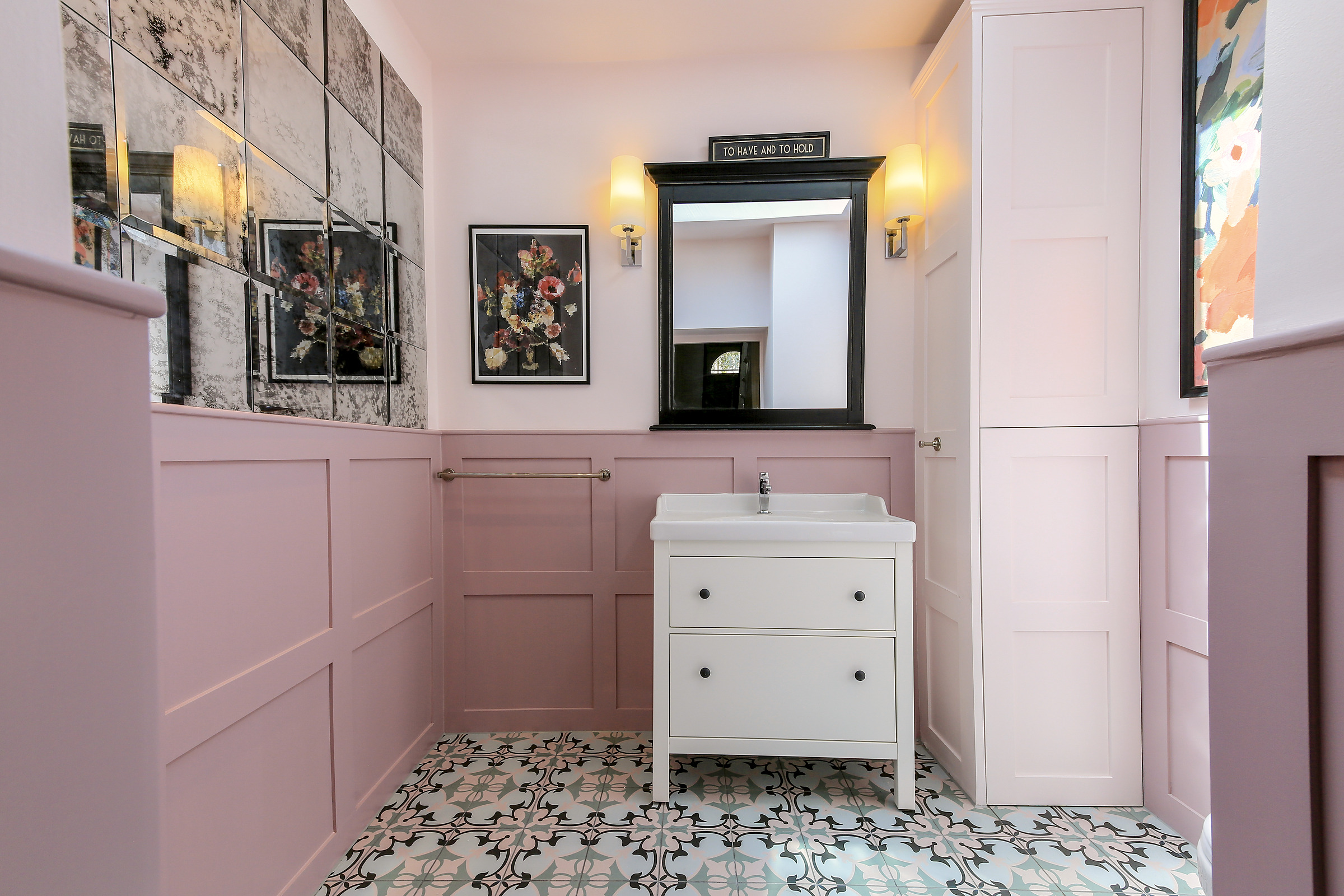
The finishing stage is where a refurbishment comes together. Kitchens, bathrooms, fitted storage, flooring and decoration are all part of the same job and coordinated by us, so the quality runs through the whole house and you are not chasing separate trades at the end.

Before Work Starts

Planning a refurbishment in Blackheath

Most internal work does not need planning permission, but older houses come with a few rules of their own. This is how they usually work in this part of London.

01

Listed buildings

If your house is listed, you need listed building consent for any work that affects its character, inside or out, including taking out original features. Carrying out that work without consent is a criminal offence, so we check the listing before anything is stripped out. Historic England's advice on living in an old building is a useful place to start.

02

Conservation areas and Article 4

Large parts of Blackheath, Greenwich and Brockley are conservation areas, and some streets also have Article 4 directions. These mean that changes which would normally be allowed, such as replacing front windows and doors or changing the roof covering, need planning permission. Internal work is usually unaffected.

03

Asbestos

Houses built or refurbished before 2000 can contain asbestos, in textured ceilings, floor tiles, boiler cupboards and old pipe lagging. Before the strip out begins, we make sure the areas being worked on are surveyed, and anything found is removed safely by a licensed specialist where that is required.

04

Building regulations

New wiring, structural alterations, replacement windows and new heating all come under Building Regulations, and where walls, floors or roofs are substantially renovated, the insulation usually has to be brought up to current standards. We manage Building Control from start to finish, and the certificates are handed over on completion.
Before You Ask

Common questions

How long does a full refurbishment take?

It depends on the size of the house and how much needs doing, and a whole house refurbishment usually runs to several months on site. Once the project is agreed, you receive a detailed programme with an estimated timeframe, so you know what to expect before work begins.

Can we stay in the house during a full refurbishment?

Sometimes. On phased projects many clients stay at home, with a temporary kitchen and the work areas sealed off behind a lockable partition. When the whole house is being rewired, replumbed and replastered at once, moving out for that stage is usually quicker and far more comfortable, and we will tell you honestly which suits your project.

Can you keep our original features?

Yes. Wherever they can be saved, we protect and repair period features such as fireplaces, cornicing, sash windows and floorboards, and we can match or remake those that are missing or beyond repair.

Do I need planning permission for a refurbishment?

Usually not for internal work. You will need listed building consent if the house is listed, and planning permission for some outside changes on streets with an Article 4 direction. We check this before the work is priced.

What if we want to make a change during the build?

We discuss any proposed change with you before going ahead, including its effect on the cost and the programme, so you can make an informed decision before anything changes.

Do you provide electrical and gas safety certificates?

Yes. Electrical and gas work is carried out by suitably qualified professionals, and the relevant certificates are provided on completion.

Let's Talk It Through

Planning a refurbishment?

Tell us what you have in mind and Freddie will come out to take a proper look, with no obligation and no pressure either way.